Julien's Auctions · Sale 428 · Lot 1147
GEORGE A. ROMERO: "MARTIN" PREVIOUSLY UNRELEASED DIRECTOR'S CUT 16MM VAMPIRE FILM
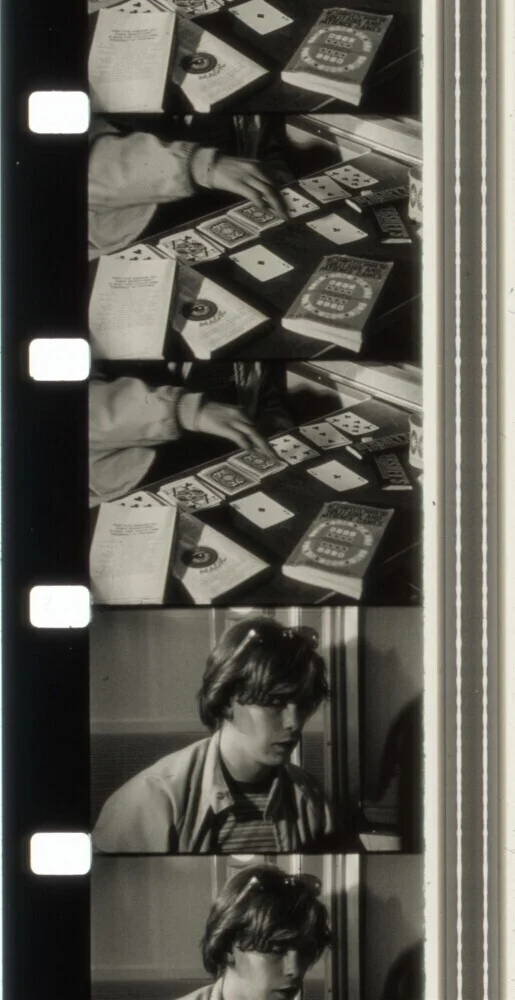
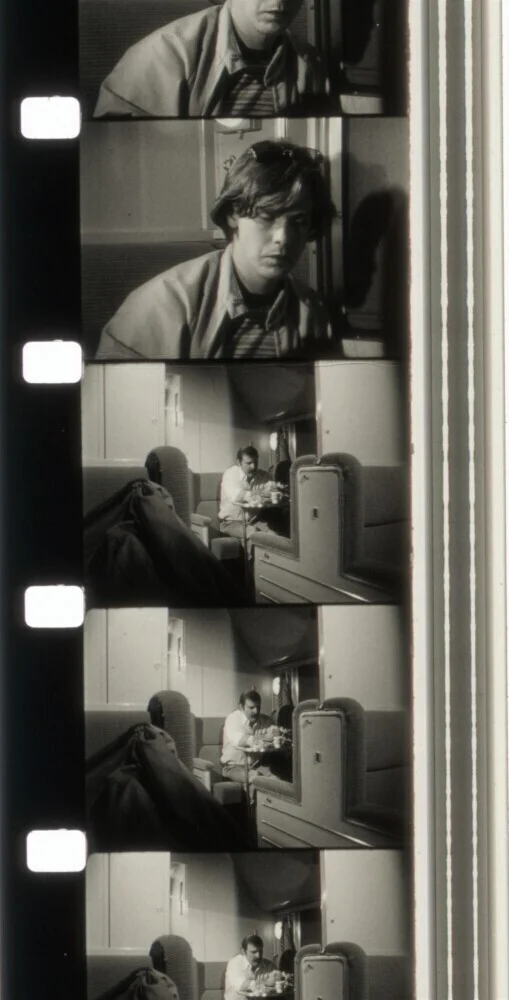
Photographs: © Julien's Auctions
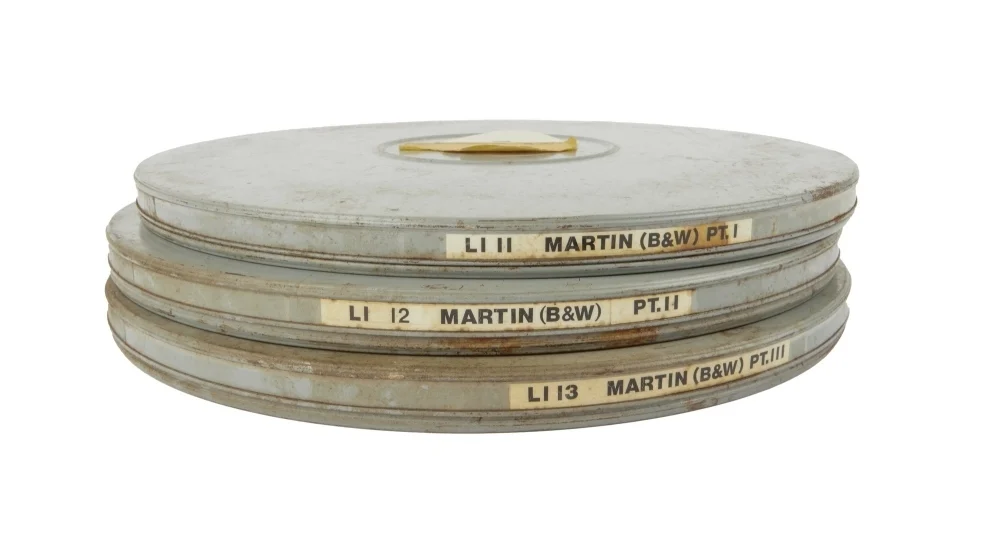
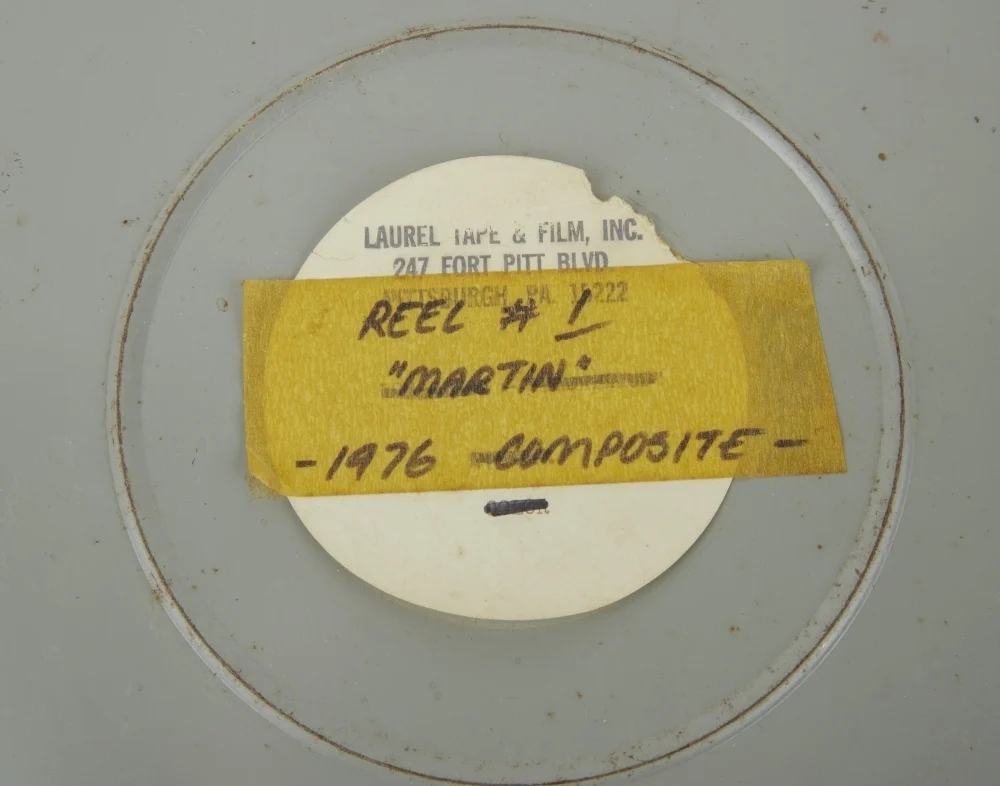
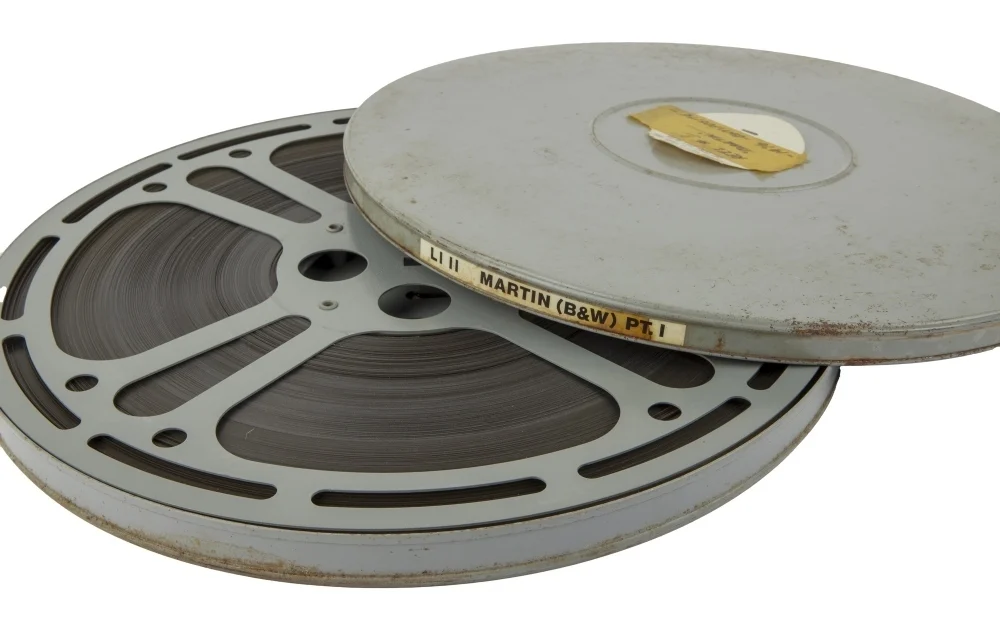
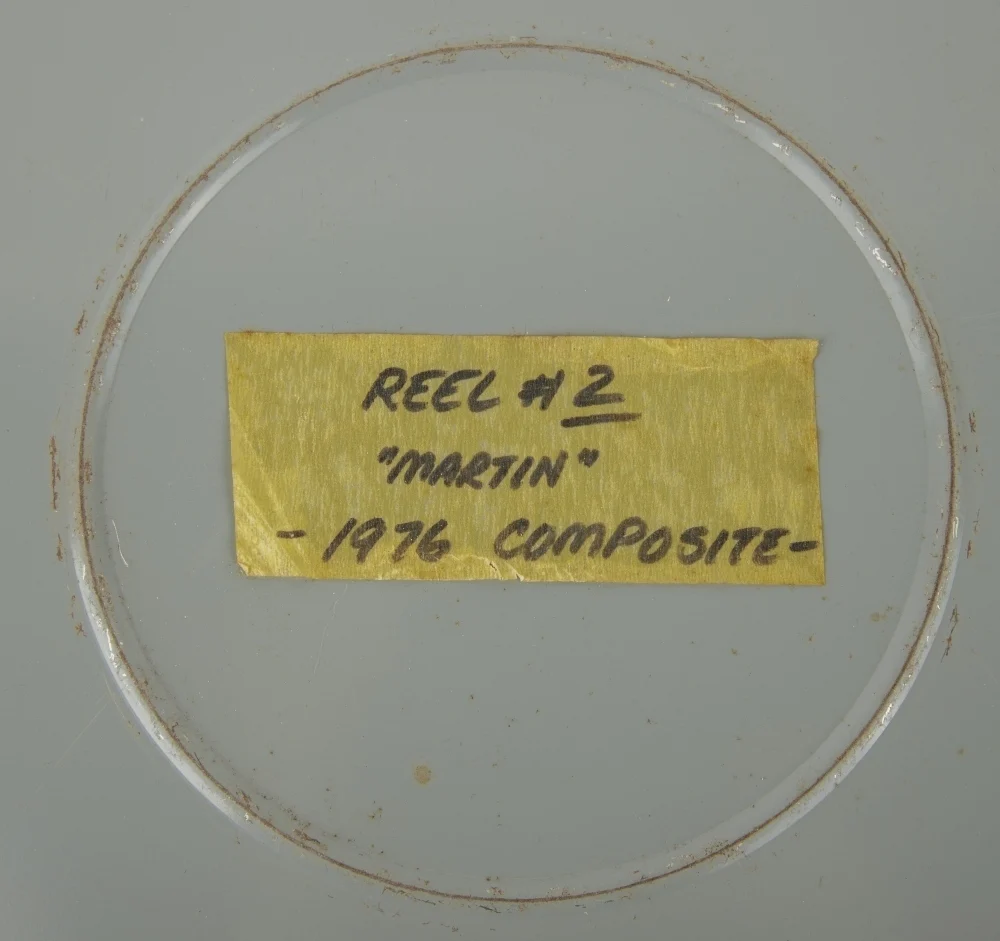
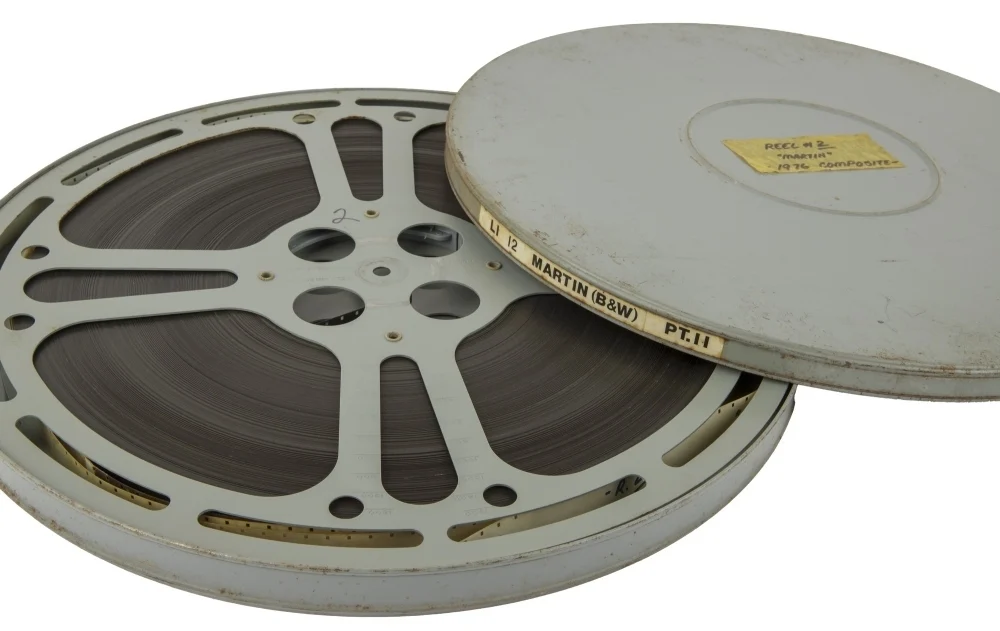
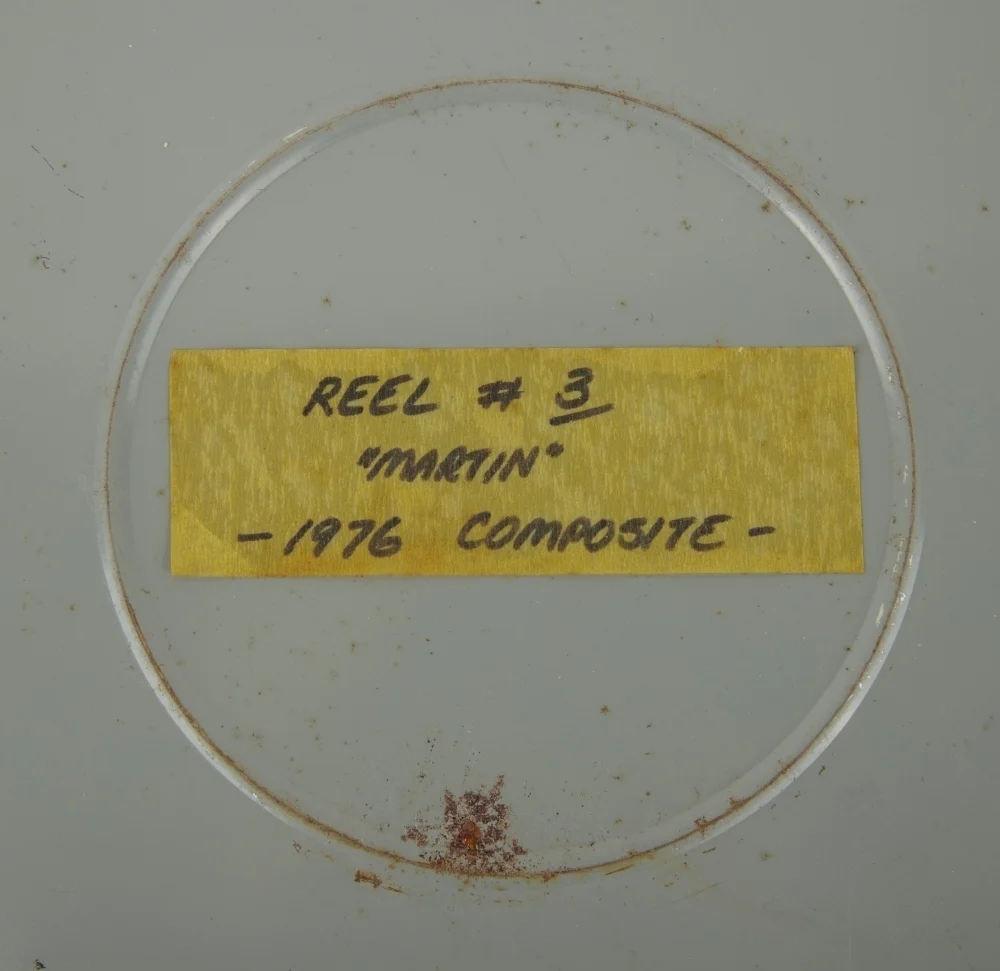
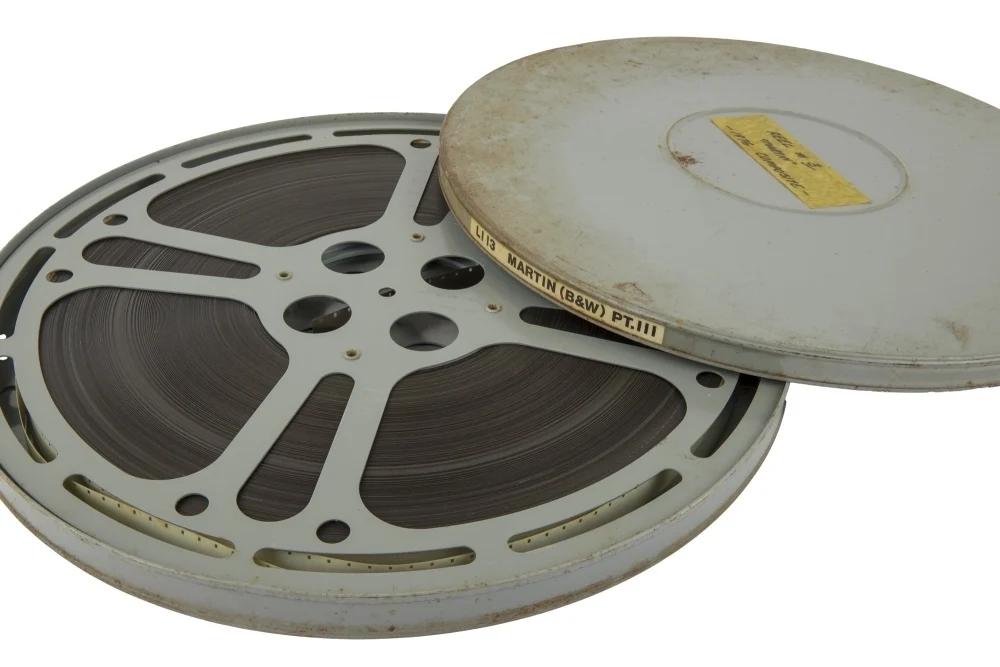
The only known print of the unreleased, black and white "Director's Cut" version of the classic George A. Romero vampire film Martin (Laurel Productions, 1976) comprised of three reels of 16mm footage in cans hand-labeled by the film's director of photography and post-production supervisor, Michael Gornick, at the time of production. The cut's runtime is approximately 150 minutes.
The film (released internationally as Wampyr ) was both written and directed by horror master Romero, creator of the classic Night of the Living Dead (Image Ten, 1968) and its sequels, and tells the disturbing and violent tale of a young man who may or may not be an 84-year-old vampire.
Romero often stated in interviews that of all of his films, Martin was his personal favorite. The film was made in Pennsylvania in 1976 with a small, steadfast crew, and featured many of the director's repeat players in the leading roles, including John Amplas, Christine Forrest, Lincoln Maazel, and Tom Savini. When asked which film stands out as perhaps coming closest to [his] initial vision, Romero replied:
"Strangely, a little film I made called Martin, which was a $275,000 production, comes closest in terms of the finished product to what my conception was going in. That's because all of us were working on that out of dedication. It was one of those little films that we went out with nine people and made a movie. It didn't matter if we had to shoot at night, we shot at night. We were just there to get the movie done. I had the most freedom on that film that I've had on any of the other ones."
-Stanley Wiater, Dark Visions: Conversations with the Masters of the Horror Film: Avon, 1992
In addition to being his personal favorite, Martin stands out among its peers in Romero's body of work as, in his own words, the only movie of his where the central character "is a human being doing violent things to other human beings" (Wiater, 1992) as opposed to infusing the violence with an element of fantasy or humor. Here, the supposed vampirism of the protagonist is entirely demystified and used to explore a wide range of very human ills and evils, making it arguably Romero's most nihilistic, desolate, and sad film.
However, in spite of the seriousness of the issues at play and the creative integrity of the project, audiences would never get a chance to see Romero's original cut of the film, the one that so perfectly embodied his initial vision. Romero intended to release Martin in black and white, but after arguments with the producer he agreed to release the film in color. Furthermore, the cut that graced drive-in and theater screens upon its release featured a run-time over an hour shorter than Romero's preferred version.
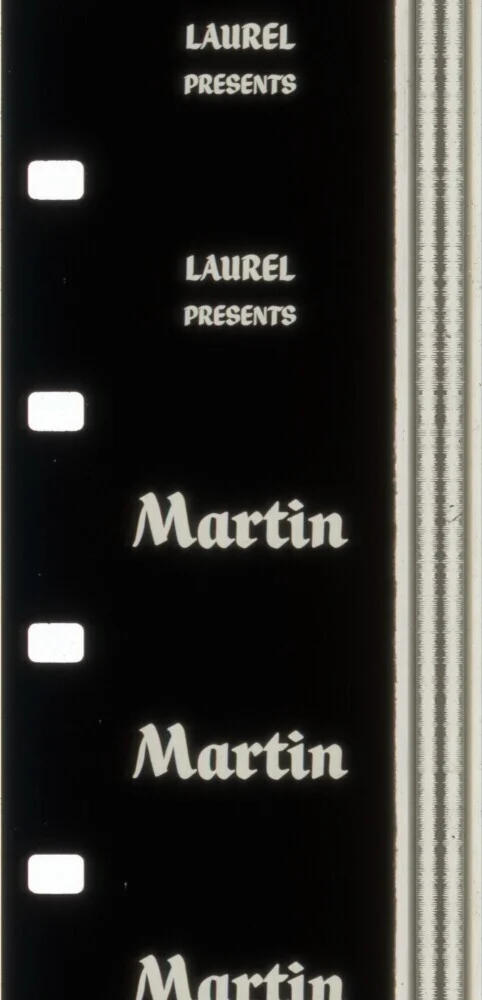
This black and white print of the film represents Romero's complete, original vision: differing greatly from the released theatrical version and offering previously unavailable insight into the horror auteur's creative aims and processes. Most notably, this print features alternate credit and title fonts, entirely unique scenes not included in the "official" release, numerous alternate edits and voiceovers, extended graphic violence and sexual content (including full frontal male nudity), and a dramatically restructured final act and closing sequence. The black and white cinematography displays drastically different lighting and striking composition choices that were obscured in the film's color version.
This "Director's Cut" presents a less choppy and more immersive narrative pace and flow that allows intimate access to characters and their relationships and sharpens the exploration of Romero's favored themes: the connections between humans and the monsters they create, myth vs. reality, and the alienating aspects of modern life. The fully realized, black and white Martin , which feels somehow both documentary and dream-like, is even more stylistically and thematically resonant with Romero's breakthrough Night of the Living Dead than the theatrical release.
FILM STOCK
Eastman
DATE CODES
No readily apparent markings
AUDIO
Variable Area Optical (Mono Dual-Bilateral)
REELS
Housed on three full 15-inch reels (approx. 150 minutes total runtime)
CONDITION
The film was viewed on an Elmo 16-CL projector. The image was sharp and exhibited no readily apparent significant scratches, damage, or splices. The presence of vinegar syndrome was not readily detected.